
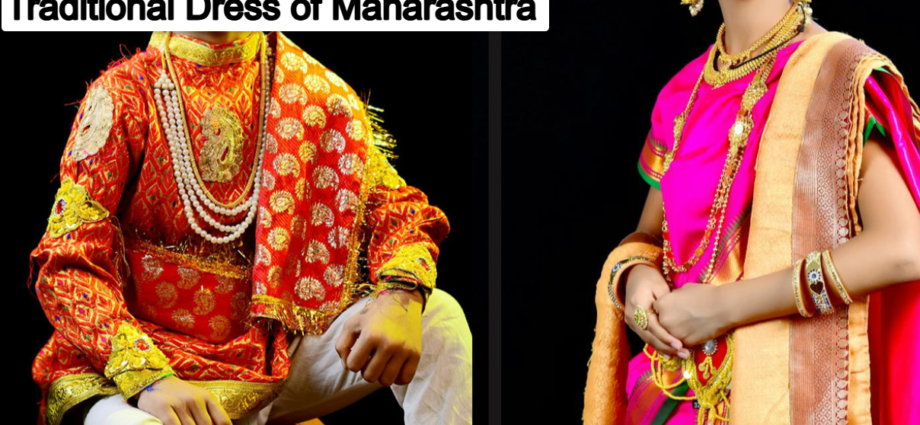
Maharashtra with more than 11 crores is second largest state in India with regard to population. It is a place of old-fashioned traditions, culture, and modern. Maharashtra is home to well-known cities, including Mumbai, Pune, and Nagpur The region is home to an ancient history that is evident in many legends including forts festivals, temples and many more. Bollywood is Bollywood, the Indian film industry, is within the state and it is therefore an important industrial state. However, pleasure tours are a great way to enjoy the scenic beauty that surrounds the entire length of Maharashtra starting to the Western Ghats, or the Konkan coast. Maharashtra is known for its traditional dress of Maharashtra women and men. They are not just clothing, but items that reflect the history and society of the state.
The rich history of Maharashtra mixes customs and influences to create a vivid tapestry of culture that is truly captivating.The long history of the state has transformed its customs and rituals into an eclectic mix of rituals.
The diverse terrains in Maharashtra – from the beaches to the mountains have a crucial role in shaping various aspects of life in the region, such as music genres, art forms and celebrations held locally. In Maharashtras celebrations are lively and vibrant as well, and include Diwali as well as Ganesh Chaturthi being two festivals that bring people closer to celebrate their traditions and culture, not simply occasions to enjoy merriment and celebration! Traditional attire like the Nauvari saree worn by women and Dhoti kurtas for males, are worn with pride at these occasions to show the richness of the state and its skilled art of making.
Marathi music and literature have a part to play in shaping the cultural fabric of India. They are a place in our minds and hearts! The poetry and writings of poets and authors reflect the political complexities of their time, while the vibrant Marathi folk dance and music forms add an unique appeal to our culture tapestry and more! Additionally, Maharashtras cuisine is distinctive because of its exotic spices that please both tourists and residents. It is truly a culinary delight to be enjoyed! This chapter provides an overview into the traditional dress of Maharashtra men and women.
Traditional Attire for Women
- Nauvari Saree: This is most likely the most well-known ethnic attire that is worn by Maharashtrian women. Its length is nine yards or five meters, and they wear it in a manner that doesn’t even need the petticoat, a skirt that is short. The saree is draped perfectly over the legs; women of all activity–particularly labouring–can use this garment conveniently.
- Paithani Saree: It is adored for its distinctive beautiful patterns, gorgeous designs and vibrant colors The Paithani saree is ideal for occasions of celebration. It is characterized by luxurious borders and pallus with bar designs inspired by mythology and nature.
Traditional Attire for Men
- Dhoti-KurtaA coordinated dress such as the dhoti-kurta fashion has been fashionable. The dhoti is made up of an elongated piece of cloth that runs around the waist and wraps around the legs. The long-sleeved kurta, also referred to as kurta is paired with a jacket or is called”the Nehru jacket, or even a jacket with sleeves that is known as the bandi.
- Pheta The pheta, or headgear is a traditional symbol of Maharashtrian pride and community. A sal shag an elongated fabric with patterns covering the top of the head, starting beneath the head. typically worn during celebrations.
Today because of the impact of globalization, contemporary fashion trends are being incorporated in the clothing of Maharashtrian people, however the traditional dress of Maharashtra men and women retains a place of their Maharashtrian community’s hearts. The headgears are worn during celebrations, weddings, religious ceremonies, and various other functions and thus preserve the traditional values that the nation.