
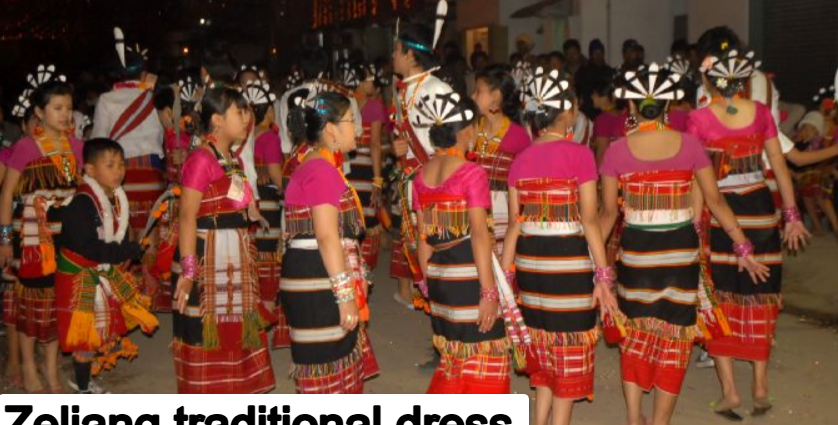
Zeliangrong who are part of the population of the tri-junction between Manipur, Nagaland and Assam are a cultured community and as a the result, they are able to enjoy distinct cultures.
Key Traditions:
- Religion The majority people Zeliangrong individuals are Christianity dominant, but various traditional belief systems and practices are in place. There is Tingkao Ragwang, the god of supreme power and other spirits that reside in the natural world.
Festivals:
- Hega Hega: A huge celebration to thank gods for prosperity well-being, health and abundant food production.
- Chega Gadi: The singer praises Chega Gadi to the Almighty for the blessing of a fruitful harvest and healthy health.
Social Customs:
- Morung Youth dormitories in which young men of the ages of 18 are taught the techniques, visions and the norms that are the norms of Nyunga people.
- Khel A clansman or a member of a village community, which plays an significant role in the social and cultural criteria.
Rituals:
- Birth, marriage, and death:It is significant to declare that these crucial life-cycle events come with their ceremony and rituals.
- The Ancestor worship: People have respect for their relatives.
These customs to this day remain a part that of Zeliangrong people, helping in integrating them into their own culture and traditions.
There is a Zeliangrong ethnic group that was once living in the current Manipur, Nagaland and Assam states of India is a diverse and vibrant background in the field of culture. historical background is apparent in the attire worn by the Zeliangrong people. Their attire is not only a dress but as a symbol of lineage, culture and class.
Traditional Dress for Women
The(Binary) regarding the fourth variation of the cultural entity being studied is to be aware that Zeliangrong women would wear the long, unstitched fabric that was worn around the body in a certain way. The cloth, which is typically constructed in unique patterns and vibrant colors, is made of silk or cotton. Colors, patterns and designs used specifically depict certain occasions or social classes. For example, girls favor larger styles and brighter colors for events and celebrations.
Belts and bags are a few accessories that play significant roles in the enhancement of your Zeliang tradition-based dress. There are women and men attaching various areas of their bodies by wearing ornaments such as bracelets, necklaces, earrings and anklets. These accessories are made of silver, beads or brass, and are usually encased with a design that is artistic. Additionally, women are recognized for wearing headgear such as the turban or hair accessories that vary depending on the prefecture and event.
Traditional Dress for Men
Zeliangrong men have placed a lot of focus on their clothing despite the fact their clothing is simple. Males wear a basic Apron, which has a particular attachment in the lower portion of the abdomen region with gorgeous patterns printed on the apron. Usually, they are made from silk or cotton, these clothes are worn in the lower abdomen area by means of belts. The man can also wear an apron or jacket, especially in cold weather and over the loin cloth.
Like women, males also wear various ornaments that are considered to be appropriate accessories. Jewellery, such as earrings, necklaces, and bracelets is worn by males, particularly during celebrations and other celebrations. Traditional headdresses include caps and turbans, for males and the traditional attire consist of men’s skirts however they are elongated. The type of headdress I wore may differ from one place or event to the next.
The reason for wearing traditional Clothing
Zeliang traditional dress that is a symbol of cultural significance. It also suggests that many of them are connected to their heritage and culture. The embroidering and the pulkas that are complex the shirts worn by both genders are a sign of certain beliefs, practices and hierarchy. Additionally, it is the value of a cultural identify mark or a marker of ethnicity of the community of Zeliangrong.
Modern fashions have influenced the way we dress and are a favorite, however that Zeliang traditional dress has not been lost, however it has always been valued. This dress is usually worn for celebrations like festivals, cultural events and other events as they were the main reasons for the culture of the community in question. In this means that the Zeliangrong people ensure that their culture remains in the same way as the contemporary world of fashion.